Desde las Sombras
Este proyecto surge a partir de un ejercicio analítico que explora los paralelismos entre la inmigración y la brujería desde una perspectiva sociocultural y simbólica.
La inmigración es un fenómeno que no requiere explicación, ya que constituye un evento casi inherente a la naturaleza humana. Desde tiempos inmemoriales, el ser humano ha buscado trascender los límites de su entorno inmediato, aventurándose hacia lo desconocido en busca de nuevas formas de existencia y desarrollo.
Por otro lado, la magia es un acto profundamente humano, vinculado al conocimiento y a su uso, tan universal que incluso las más altas esferas de poder se han apoyado en ella a lo largo de la historia, en busca de guía y protección. A lo largo del tiempo, sin embargo, y a medida que nuevas religiones y cosmovisiones emergieron, el significado de la brujería y la percepción de quienes la practicaban se tornaron negativos, lo que culminó en fenómenos como la caza de brujas, un acto de persecución que, en diversos contextos, sigue ocurriendo hasta el día de hoy.
Como es bien sabido, los sistemas de poder se han consolidado mediante la fragmentación de las sociedades, ejerciendo un control exhaustivo sobre las personas con el fin de imponer una uniformidad tanto en el ser como en el pensar. Este control ha buscado, sistemáticamente, excluir y marginalizar a aquellos que se apartan del statu quo.
Ambos fenómenos, tanto la inmigración como la brujería, han sido objeto de malinterpretación y estigmatización a lo largo de la historia.
La brujería, por ejemplo, fue durante siglos percibida como una amenaza al orden social, y quienes eran acusados de practicarla fueron sometidos a persecuciones y violencia. De manera paralela, la inmigración ha sido históricamente vista, en muchos contextos, como un fenómeno peligroso, asociado con el temor a la alteración del orden social y económico. Los inmigrantes han sido estigmatizados y, en ocasiones, considerados intrusos que traen consigo problemas o riesgos para la sociedad.
Ambos fenómenos, además, pueden interpretarse como formas de resistencia frente al sistema dominante. En épocas de normas sociales rígidas y excluyentes, la brujería representó un refugio subversivo, donde individuos, principalmente mujeres en muchas culturas, se unían a prácticas marginalizadas como una forma de adquirir poder ante una sociedad que les negaba otras vías de organización. De manera análoga, la inmigración, particularmente cuando es forzada o impulsada por la búsqueda de mejores condiciones de vida, puede considerarse una forma de resistencia al opresivo statu quo, una búsqueda de libertad y oportunidades en contextos donde el rechazo y el miedo a lo desconocido prevalecen.
Asimismo, tanto la brujería como la inmigración desafían las estructuras de control y definición impuestas por las autoridades. En diversas culturas, las autoridades religiosas y políticas han intentado suprimir la brujería, viéndola como una amenaza a su autoridad. De igual forma, la inmigración, al romper las fronteras nacionales y desafiar las normas de ciudadanía, es percibida como un cuestionamiento a las estructuras de poder que delimitan lo que se considera legítimo o aceptable dentro de una nación.
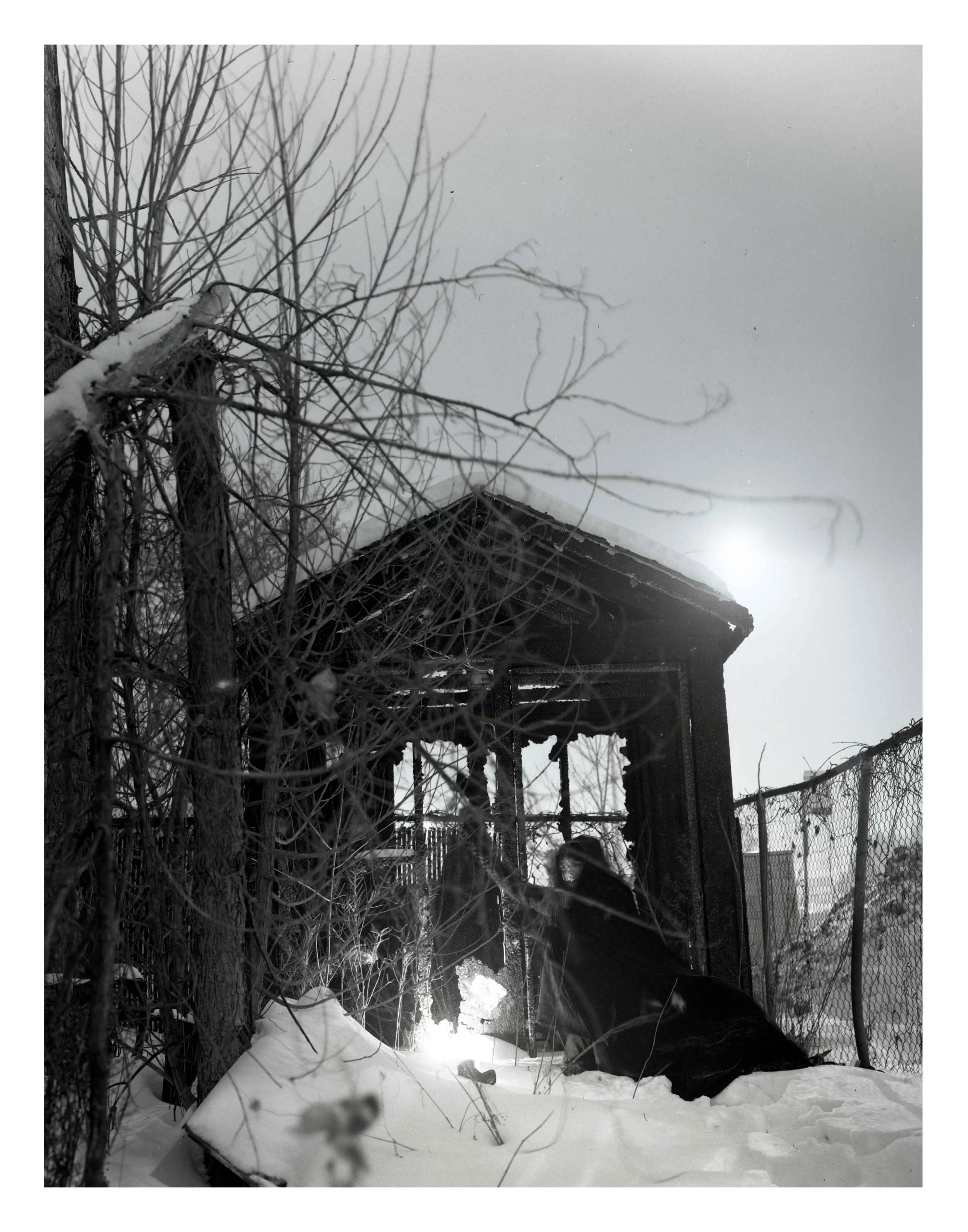
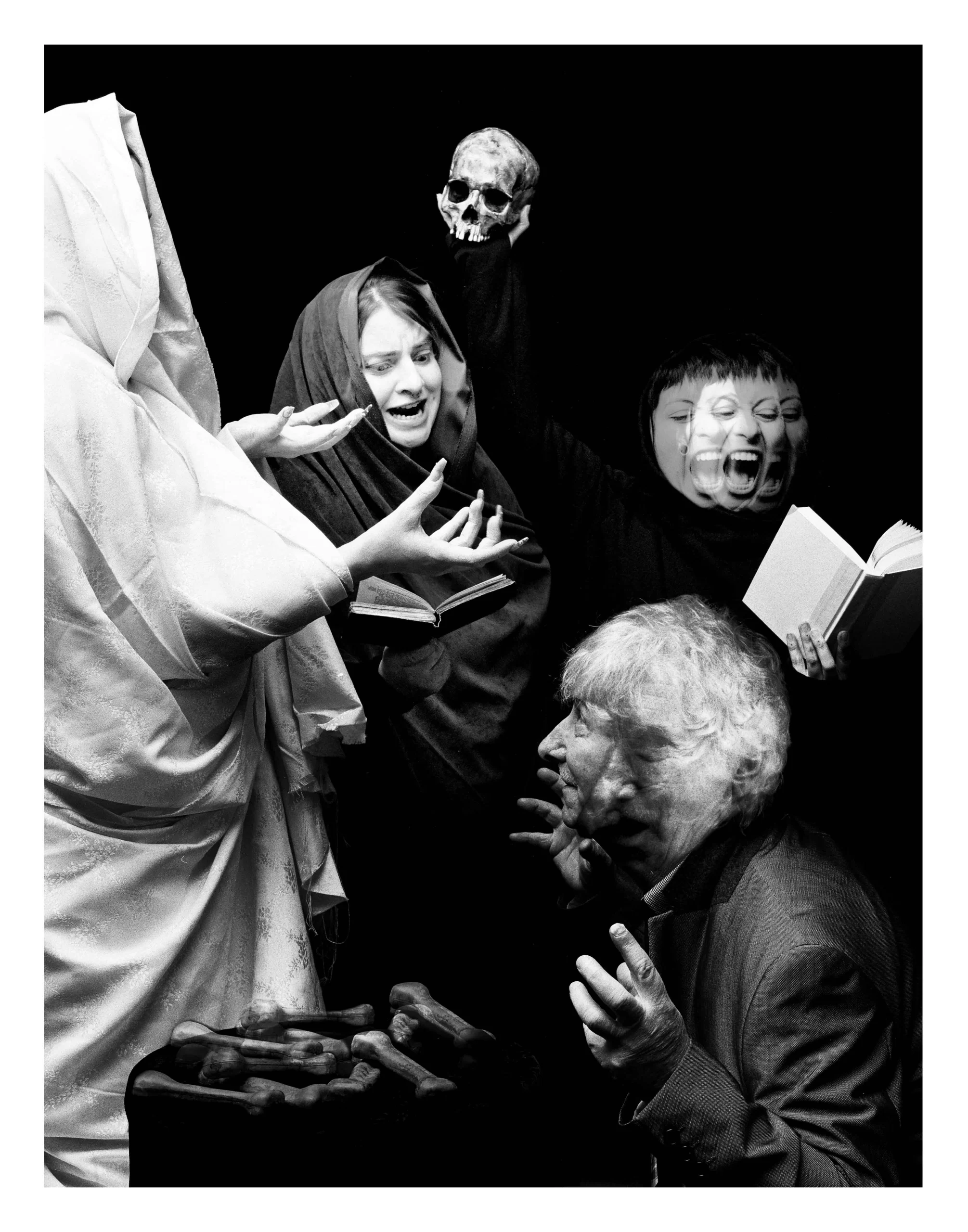
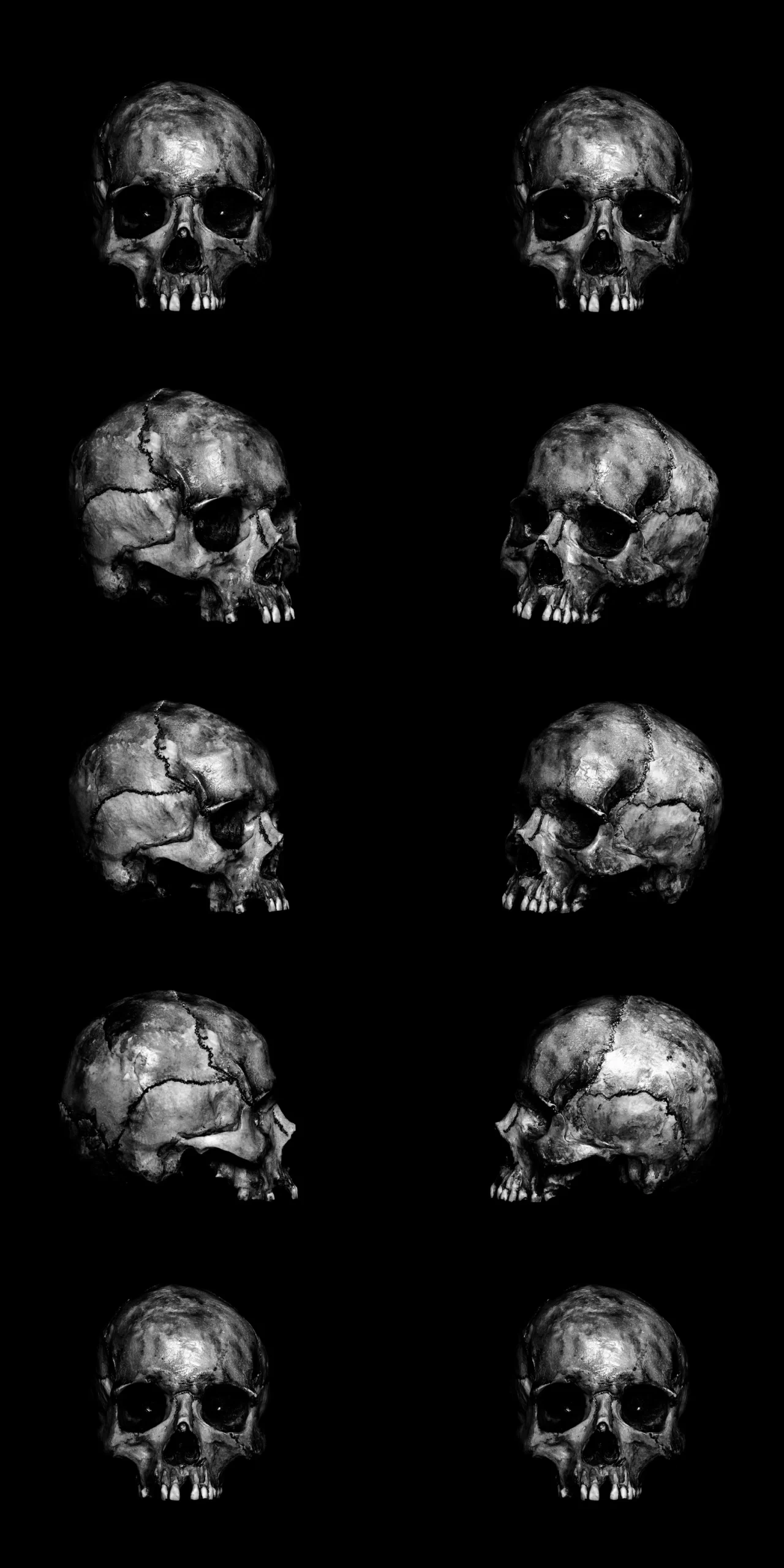
Por último, tanto la brujería como la inmigración comparten una notable capacidad de adaptación y supervivencia a pesar de la marginalización y el rechazo. La brujería, por ejemplo, ha perdurado a lo largo de los siglos, transformándose y adaptándose a las circunstancias cambiantes. La inmigración, a su vez, ha sido una constante en la historia humana; a pesar de las leyes restrictivas y las actitudes xenófobas, las personas siguen desplazándose en busca de mejores condiciones de vida. Las piezas que componen este proyecto reflejan eventos específicos en tres contextos diferentes, donde diversas facetas de mi identidad y lo que me conforma encuentran su representación.
This project arises from an analytical exercise that explores the parallels between immigration and witchcraft from a sociocultural and symbolic perspective.
Immigration is a phenomenon that requires no explanation, as it is an event almost inherent to human nature. Since time immemorial, humanity has sought to transcend the limits of its immediate surroundings, venturing into the unknown in search of new forms of existence and development.
On the other hand, magic is a profoundly human act, linked to knowledge and its use, so universal that even the highest spheres of power have relied upon it throughout history, seeking guidance and protection. Over time, however, as new religions and worldviews emerged, the meaning of witchcraft and the perception of those who practiced it turned negative, culminating in phenomena such as the witch hunts, a form of persecution that, in various contexts, continues to occur to this day.
As is well known, systems of power have been consolidated through the fragmentation of societies, exercising exhaustive control over individuals in order to impose uniformity in both being and thought. This control has systematically sought to exclude and marginalize those who deviate from the status quo.
Both phenomena, immigration and witchcraft, have been subjects of misinterpretation and stigmatization throughout history.
Witchcraft, for instance, was perceived for centuries as a threat to social order, and those accused of practicing it were subjected to persecution and violence. Similarly, immigration has historically been viewed, in many contexts, as a dangerous phenomenon, associated with the fear of disrupting the social and economic order. Immigrants have been stigmatized and, at times, considered intruders who bring with them problems or risks to society.
Both topics can also be interpreted as forms of resistance against the dominant system. In times of rigid and exclusionary social norms, witchcraft represented a subversive refuge, where individuals, especially women in many cultures, turned to marginalized practices as a means of gaining power in a society that denied them other forms of organization. Analogously, immigration, particularly when it is forced or driven by the search for better living conditions, can be considered a form of resistance to the oppressive status quo, a quest for freedom and opportunity in contexts where rejection and fear of the unknown prevail.
Furthermore, both witchcraft and immigration challenge the control and definition structures imposed by authorities. In various cultures, religious and political authorities have attempted to suppress witchcraft, seeing it as a threat to their authority. Similarly, immigration, by crossing national borders and challenging citizenship norms, is perceived as a challenge to the power structures that define what is considered legitimate or acceptable within a nation. Finally, both witchcraft and immigration share a remarkable ability to adapt and survive despite marginalization and rejection. Witchcraft, for example, has endured over the centuries, transforming and adapting to changing circumstances. Immigration, in turn, has been a constant throughout human history; despite restrictive laws and xenophobic attitudes, people continue to move in search of better living conditions.